
A. EDUCATION AND DEVELOPMENT
Our holistic approach develops academic knowledge and skills alongside self-awareness, responsibility for learning, critical and analytical thinking, creativity and lifelong learning.
Each student’s learning styles, interests, abilities and developmental needs are unique. Our inclusive approach respects these differences, integrates academic progress with social and emotional learning and makes students active participants in their own education.
1. Student-Centred Education Our approach places students at the centre, treats individual differences as a strength and connects learning with life. Students learn to understand and question information, make connections across disciplines and use their knowledge in real situations. Active learning environments develop research, enquiry, problem-solving, critical thinking, creativity, cooperation and effective communication.
2. Development-Focused Assessment Assessment is a dynamic process that continuously supports, makes visible and improves learning. High school assessments go beyond recall to consider interpretation, analysis, synthesis, problem-solving and higher-order thinking. Assessment therefore provides continuous formative feedback that guides the learning journey and improves its quality.
3. Holistic Development and MonitoringOur monitoring considers learning attitudes, social interaction, self-regulation, responsibility and personal development alongside academic performance. This broad perspective helps identify individual needs early, provide timely educational support and develop students’ awareness of their own progress.
B. GUIDANCE AND PSYCHOLOGICAL COUNSELLING
Our holistic guidance and counselling services help students understand themselves, discover their potential, cope with difficulties and make sound decisions. Social, emotional, personal and career development are monitored alongside academic progress. This reflects international standards and the developmental and preventive approach used in contemporary guidance practice.
1. Our Holistic Guidance ApproachEach student’s characteristics, needs, interests and pace of development are unique. Our guidance considers intellectual, social, emotional, behavioural and academic development together. We help resolve difficulties, strengthen problem-solving skills and build resilience for future challenges.
2. Understanding Students and Monitoring DevelopmentAcademic, social, emotional and personal development are monitored throughout the school year. Teachers and psychological counsellors combine classroom observations, learning experiences, peer relationships and responsibility to build a holistic assessment.
3. Our Guidance and Counselling ActivitiesOur activities are planned around students’ developmental stages and needs and delivered systematically throughout the year. Main areas include:
• Classroom and group guidance
• Individual psychological counselling and guidance meetings
• Peer guidance and social adjustment
• Psychoeducation, awareness seminars and workshops
• Support for academic development and self-regulated learning
• Managing examinations and coping with test anxiety
• Time management, planning and effective study strategies
• Motivation and structured goal setting
• Emotional regulation, self-control and self-awareness
• Effective communication and healthy peer relationships
• Problem-solving and strategic decision-making
• Social and emotional learning
• Career literacy and planning for the future
4. Parent–Teacher–Student CooperationA strong school–family partnership underpins student development. Parents, teachers, psychological counsellors and students communicate around a shared vision of growth. Active parental participation helps ensure a consistent, holistic and empowering approach at school and at home.
5. Student Assessment ToolsWe use varied, evidence-informed sources to understand students, including observation, interviews, teacher evaluations, developmental monitoring and validated assessment tools.
Tools include:
• Objective and projective tests
• Individual interview forms
• Attention and perception tests
• Multiple intelligences inventories
• Sociometric techniques
• Developmental monitoring and assessment tools
• Self-assessment forms
• Interest, ability and aptitude inventories
• Study behaviour assessment scales
• Sentence completion tests
This builds a rounded understanding beyond a single result and supports personalised help suited to each student’s development.
C. VALUES EDUCATION
Values education supports human, social and ethical development alongside academic progress. We aim to nurture responsible, empathetic and globally aware individuals who respect differences and care for themselves, their surroundings, all living things and society. Each month, an age-appropriate “Value of the Month” is integrated into classroom activities, guidance, social responsibility projects and everyday life, helping students internalise values and reflect them in their attitudes.
D. CLUBS AND TRIPS
We offer varied experiences that help students discover their potential in science, culture, the arts and sport alongside academic learning. Clubs, field studies and cultural trips develop interests, interdisciplinary work and social skills, and allow students to apply theory in real settings. Clubs provide active spaces for self-expression, teamwork and leadership.
E. ACHIEVEMENTS, AWARDS AND CERTIFICATES
We support students’ academic, scientific, artistic, sporting and social achievements. National and international competitions, TÜBİTAK and Erasmus+ projects, clubs and social responsibility work strengthen confidence, motivation and personal development.
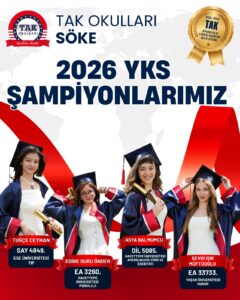
Our 2026 University Entrance Examination Results
- Mathematics and Science Score Category: 4,849th in Türkiye
- Equal-Weight Score Category: 3,260th in Türkiye
- Foreign Language Score Category: 5,085th in Türkiye
- Equal-Weight Score Category: 33,733rd in Türkiye
Sporting and Cultural Achievements
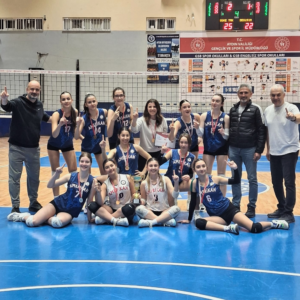
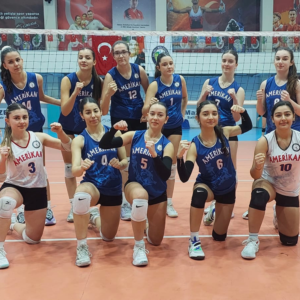
- 🏆 Aydın Provincial Champions — Volleyball: Congratulations to the students who represented our school with determination, effort and teamwork, and to the teachers who supported them.
- 🏆 Second Place in the Aegean Regional Group — Volleyball: We proudly celebrate our volleyball team’s second-place finish in the Aegean regional group, achieved through unity and teamwork.
F. PARENT–TEACHER–STUDENT COOPERATION
Sustainable cooperation between school, family and student is fundamental to development. Education is strengthened when all three partners work towards shared goals and communicate regularly.
Our partnership goes beyond sharing information: we jointly monitor progress, analyse needs and establish appropriate support. Parents, teachers and students are three complementary partners in the educational journey.
1. Parent–Teacher Consultation TimesParent–Teacher Consultation Times support continuous monitoring. Parents can book appointments during teachers’ designated meeting hours. These discussions consider academic performance, classroom attitudes, social interaction, learning strategies and responsibility as a whole.
2. Regular Updates and Transparent CommunicationTransparent, regular communication is central to effective education. Newsletters and updates keep parents informed about academic and social activities, projects, trips and school announcements.
3. Individual Parent MeetingsIndividual parent meetings are held periodically during the school year to explore development in detail and strengthen the school–family partnership.
G. HIGH SCHOOL LIFE
1. Our Classrooms and Learning EnvironmentsHigh school classes are organised with suitable class sizes to allow close monitoring of individual learning styles, academic progress and personal development. Learning spaces designed for small-group interaction maintain strong teacher–student engagement.
2. School Hours and Daily RoutineHigh school teaching follows a planned daily timetable. Academic work is balanced with time for rest, meals and social interaction.
3. MealsMeal programmes are planned under specialist supervision to support physical and intellectual development. Students receive lunch and an afternoon snack prepared to hygienic standards.
4. School Uniform and CultureStudents are expected to follow school uniform standards to support order, equality and belonging. This encourages a shared school culture and identity.
5. Admissions and School AdjustmentOur comprehensive admissions process considers interests, abilities, readiness and social-emotional development alongside academic assessment results.
Admissions Steps:
1. Application and Appointment: Prospective parents complete an application form, and an appointment is scheduled.
2. Academic Placement and Assessment: Placement assessments help evaluate academic readiness.
3. Individual Interview and Observation: The guidance team assesses social-emotional development, individual characteristics and adjustment to school culture.
4. Feedback and Enrolment: Parents receive a detailed evaluation, and enrolment proceeds in line with admissions requirements.
Our aim is to understand each student’s potential and support a safe, healthy and positive start to school life.